




In today’s fast-paced world, stress is a common experience. Work deadlines, personal responsibilities, and constant connectivity can overwhelm anyone. Finding effective ways to relax and recharge is essential. Watching your favorite show is more than a form of entertainment. It can be a powerful tool to reduce stress. Moments like a launch party the office episode can provide extra enjoyment, offering humor and nostalgia that lift the mood. Engaging with a beloved series offers mental escape, emotional release, and cognitive benefits. It creates a safe space to unwind while staying connected to characters and stories that resonate. This article explores how watching your favorite show can help reduce stress and why it is a simple yet impactful habit.
Mental Escape and Relaxation
One of the most immediate benefits of watching a favorite show is mental escape. Immersing yourself in a fictional world allows your mind to step away from daily pressures. This temporary distraction gives the brain a break, lowering cortisol levels, the hormone associated with stress. Whether it’s a lighthearted comedy or an intense drama, focusing on a story shifts attention from worries to engagement. This unique mental shift can leave viewers feeling refreshed and more able to handle challenges afterward.
Emotional Connection and Catharsis

Humans respond emotionally to stories. Watching familiar characters navigate challenges can trigger feelings of empathy, joy, or relief. Experiencing these emotions in a safe context provides catharsis. Laughing at comedic moments or feeling suspense during a thriller allows tension to release naturally. This emotional release is similar to other stress-relief techniques, but it feels effortless and enjoyable. Emotional engagement with a show can help ensure a sense of well-being.
Routine and Predictability
Routine can be a stabilizing factor in managing stress. Regularly watching a favorite show provides predictable moments in a chaotic schedule. Knowing that there is time set aside for relaxation helps reduce anxiety about the unknown. This sense of structure offers psychological comfort. For many people, these consistent viewing habits create a safe space that reinforces mental stability and relaxation.
Mindfulness Through Engagement
While watching a show, the brain often enters a state similar to mindfulness. Attention focuses entirely on the story, dialogue, and visuals. Distractions fade, and viewers experience full presence in the moment. This concentrated engagement can have similar effects to meditation. The body and mind relax, and racing thoughts slow. Mindfulness through viewing creates a calm, centered mental state that reduces stress naturally.
Inspiration and Motivation
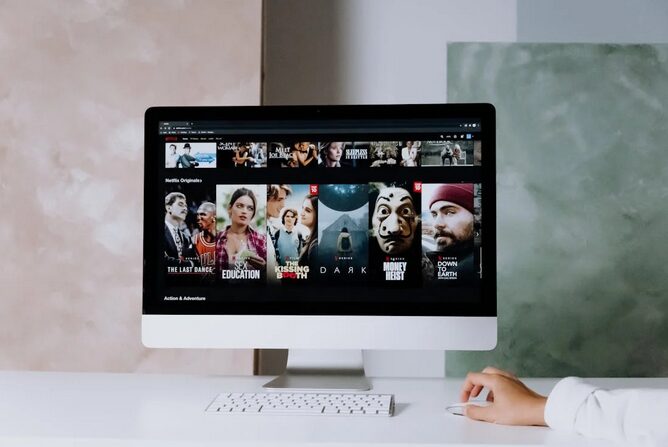
Watching a favorite show can also inspire and motivate. Characters who overcome obstacles or achieve personal growth can provide viewers with hope and perspective. Seeing positive resolutions or clever problem-solving can encourage similar attitudes in real life. This influence boosts resilience and optimism. Inspirational narratives help viewers maintain a healthy mental outlook and reduce feelings of helplessness.
Social Interaction and Community
Many people watch shows with friends or participate in online communities. Discussing episodes, sharing theories, or connecting over favorite moments fosters social bonds. Feeling part of a community promotes emotional well-being and reduces feelings of isolation. Engaging with others over shared interests provides support and validation, which are essential for stress management. Social interaction adds an additional layer of benefit beyond the individual experience.
Cognitive Distraction and Problem-Solving
Engaging with complex plots, mysteries, or strategy-driven shows stimulates the brain. This cognitive involvement provides a distraction from stressful thoughts. The mind focuses on analyzing storylines, predicting outcomes, and understanding character dynamics. This mental workout reduces rumination on personal stressors. Concentrating on the show’s challenges gives the brain a break from everyday worries, ensuring a cognitive reset that enhances problem-solving abilities later.
Watching your favorite show is a simple but powerful way to reduce stress. It offers mental escape, emotional release, routine, mindfulness, social connection, and inspiration. Regular viewing creates a structured, enjoyable way to unwind, helping individuals manage daily pressures effectively. While it is not a replacement for professional stress management techniques, it complements other healthy habits and self-care strategies. The utmost benefit lies in the combination of relaxation, engagement, and emotional fulfillment. Integrating favorite shows into a routine can help viewers face life’s challenges with more energy, clarity, and calm.…






 Golf is a sport that demands both physical prowess and mental acuity. The act of swinging a club, calculating distances, and strategizing shots engage various parts of the brain, promoting neural connections and stimulating cognitive processes. This holistic approach to movement and mindfulness fosters a strong mind-body connection, leading to improved concentration and focus both on and off the course.


 Feeling tired and lightheaded throughout the day? It could be a sign that you’re not drinking enough water. Fatigue and dizziness are common indications of dehydration, as our bodies rely on water to function properly. When we don’t consume enough water, our blood becomes thicker and less efficient at delivering oxygen and nutrients to our cells. This can leave us feeling tired, sluggish, and lacking in energy.
 The lesser-known sign of low water consumption is dry skin. When your body lacks proper hydration, it can lead to dry and flaky skin. Your skin is the largest organ in your body and requires adequate water intake to stay healthy. Water plays a vital role in maintaining the moisture balance of your skin. Without enough water, your skin becomes dehydrated, which can cause it to feel tight.


 Robotic surgery is an exciting new
  Patient financial services is one of the most important aspects of healthcare. It is responsible for handling all the money that comes in and goes out of a medical facility. This includes everything from billing and collections to insurance claims and payments. Medical billing and coding is a vital part of patient financial services. This process ensures that all patient care charges are accurate and correctly coded so that insurance companies can properly reimburse them. Medical billing and coding specialists work closely with patients, doctors, and insurance companies to ensure everyone gets paid what they’re owed.

 Another benefit of CBD balm is making your skin feel fresh and nourished. This is because CBD is a natural moisturizer. It can help to hydrate the skin and lock in moisture. Additionally, CBD balm can also help to soothe dryness and irritation. If you are looking for a product that will leave your skin feeling soft and supple, CBD balm is a great option. As you can see, there are many remarkable benefits of CBD balm to your skin. If you are looking for a natural way to improve your skin condition, CBD balm is worth considering. It can alleviate pain and reduce the appearance of wrinkles, but it can also treat acne and blackheads.…
 One of the best things you can do for your productivity is to make sure that you’re staying hydrated. Your body needs water to function correctly, and when you’re dehydrated, it’s harder for your brain to focus and think clearly. However, you don’t want to drink too much water because you’ll just have to keep running to the bathroom. So, make sure that you’re drinking enough water throughout the day, but don’t overdo it.
 Productivity requires a sharp brain that can focus for a long time. One way to keep your brain sharp is by challenging it with some games. For example, you can try Sudoku, crosswords, or even memory games on your phone. Or, if you feel these are outdated, try playing MOBA or FPS games. These activities will help to improve your problem-solving skills and mental agility. So, take a break from work and challenge yourself for a few minutes each day.
 Intermittent fasting is not a diet in the traditional sense. You are not restricting your intake of certain foods or food groups. Instead, you are simply changing when you eat. Intermittent fasting usually has two meals per day: a smaller “breakfast” and a more enormous “dinner.” The fasting period is the time in between these two meals.
 There are four main types of intermittent fasting: the 16/8method, the 5:2 diet, alternate-day fasting, and whole-day fasting. The 16/8 method is the most popular. It involves fasting for 16 hours and eating all your meals within an eight-hour window. The 5:2 diet is less common. It implicates eating commonly for five days a week and limiting your intake to 500-600 calories on two days. Alternate-day fasting is as it sounds: you fast every other day. On fasting days, you can eat 500-600 calories. And finally, whole-day fasting involves not eating for one or two days out of the week. This is usually only done by experienced fasters.
 Now that we have answered the question “what is intermittent fasting?” and discussed the four main types, let’s move on to some tips on getting started. If you are interested in trying intermittent fasting, the best way to start is by doing your research. There is a lot of information out there, and it can be overwhelming at first. Try to find reputable sources (such as this blog post) that give you accurate information.
 An aesthetic doctor is a medical professional who specializes in providing cosmetic treatments to improve the appearance of their patients. They offer a range of services, including wrinkle removal, skin tightening procedures, laser hair removal, and many others! Some of the most common treatments aesthetic doctors offer include Botox injections, dermal fillers, and laser skin resurfacing. It provides anything to non-invasive aesthetic treatments.
 If you consider visiting an aesthetic doctor, there are a few things you should keep in mind. First of all, be sure to do your research and find a doctor who has experience in the treatments you are interested in. Also, be sure to ask around and get recommendations from friends and family. Finally, don’t be afraid to ask the doctor questions about their experience and the treatments they offer. It is your chance to find out everything you need to know before making a decision!
 Yes, despite the social scorn and disdain, magic mushrooms do possess several health benefits, even being used and researched as a viable treatment to specific diseases and conditions. One study has shown progress in patients that are suffering from smoking addiction to be fruitful in reducing their daily cigarette consumption through the introduction of magic mushrooms.
  The typical psychedelic products can boost creativity to a certain extent that is beneficial for our work and projects. The Beatles, for instance, have turned to the utilization of psychedelics to produce their legendary tunes.
 So why are people doing it? Well, there is a lack of scientific research on the subject, so we can only speculate. But many people believe that microdosing helps them “reset” the brain and improve mental health. Some people also use it as a tool for self-exploration and personal growth. And lastly, some people do it for the sheer fun of it. Also, given the current state of the world, people are looking for ways to escape reality and find some peace of mind. And microdosing seems to be providing that for many people.
 If you still think you want to try microdosing and enjoy some microdose gummies, there are some safety tips you should follow. First, as with anything, start with a minimal dose and increase gradually. Second, be aware of your mental health status and consult with a doctor if you have any concerns. Third, do not operate heavy machinery or drive while under the influence. And lastly, always store psychedelics in a safe place, out of reach of children and pets.
 Lastly, one of the best things you can do for your mental health is to simply express yourself. Writing in a journal is a great way to get your thoughts and feelings out. It can be therapeutic to write about your struggles, and it can also help you to find solutions to your problems. Sometimes, all it takes is putting your thoughts into words to help you see things more clearly. If you’re unsure where to start, try writing about your happiest moments, your goals for the future, or anything else on your mind.